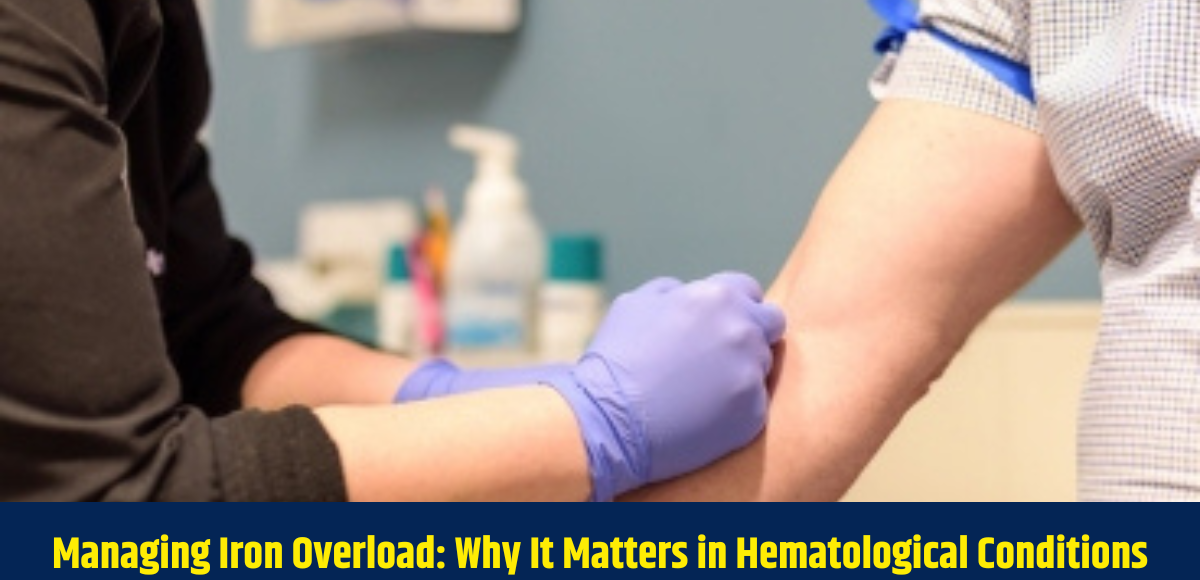
Managing Iron Overload: Why It Matters in Hematological Conditions.
Managing Iron Overload: Why It Matters in Hematological Conditions.
Iron overload, or hemochromatosis, is a serious condition that occurs when excess iron accumulates in the body. This excess iron can lead to significant health issues, especially in patients with hematological conditions. Dr. Chandrakant Lahane, a hematologist in Pune, emphasizes the importance of understanding iron overload and its management for improving patient outcomes. Here, we address some common questions related to iron overload and its implications in hematological disorders.
What is Iron Overload?
Iron overload is a condition characterized by the excessive accumulation of iron in the body. This can occur due to genetic factors, excessive dietary intake, or repeated blood transfusions, particularly in individuals with certain hematological disorders, such as thalassemia and sickle cell disease.
Why is Managing Iron Overload Important in Hematological Conditions?
Managing iron overload is critical because excess iron can damage vital organs, leading to complications such as liver disease, heart problems, and diabetes. Patients with hematological conditions often require blood transfusions, which can increase their risk of iron overload. Dr. Chandrakant Lahane recommends early detection and management to significantly improve health outcomes.
What Are the Symptoms of Iron Overload?
Symptoms of iron overload can vary but often include:
Fatigue
Joint pain
Abdominal pain
Skin discoloration (bronzing)
Diabetes (often referred to as “bronze diabetes” due to skin changes)
If left untreated, these symptoms can progress to more severe complications.
How is Iron Overload Diagnosed?
Iron overload is diagnosed through blood tests that measure serum ferritin and transferrin saturation. A liver biopsy or MRI may also be performed to assess the degree of iron accumulation in the liver and other organs.
What Are the Treatment Options for Iron Overload?
Treatment for iron overload typically includes:
Phlebotomy: This is the most common treatment, involving the regular removal of blood to reduce iron levels.
Chelation Therapy: This involves using medications that bind to excess iron, allowing it to be excreted from the body. Chelators may be used when phlebotomy is not possible or effective.
Dietary Changes: Reducing dietary iron intake and avoiding iron supplements can help manage iron levels.
Monitoring: Regular monitoring of iron levels is crucial to ensure that treatment is effective and to prevent further complications.
How Can Patients Prevent Iron Overload?
Patients, especially those with conditions requiring regular blood transfusions, should work closely with their healthcare providers to monitor iron levels and implement preventive strategies. This may include:
Routine blood tests to check iron levels.
Adhering to prescribed treatment plans.
Being aware of symptoms and seeking medical advice if they experience any signs of iron overload.
What is the Role of Healthcare Providers in Managing Iron Overload?
Healthcare providers play a vital role in the early detection and management of iron overload. They should educate patients about the risks associated with iron overload, monitor iron levels regularly, and implement appropriate treatment strategies tailored to each patient’s needs. Dr. Chandrakant Lahane, as an experienced hematologist in Pune, focuses on providing comprehensive care for patients at risk of iron overload.
Managing iron overload is essential in patients with hematological conditions to prevent serious health complications. By understanding the importance of monitoring and treatment, patients can take proactive steps to manage their iron levels effectively. If you or someone you know is at risk for iron overload, consult Dr. Chandrakant Lahane, a hematologist in Pune, for personalized advice and treatment options.