Bleeding Disorders: Causes, Types, and Diagnosis
Bleeding is the body’s natural response to injury. When you get a cut, your blood forms a clot to stop the bleeding and begin healing. But for some people, this process doesn’t work as it should. Even minor injuries can lead to prolonged or excessive bleeding. These conditions are known as bleeding disorders.
Bleeding disorders can be inherited or acquired later in life. Understanding their causes, types, and diagnostic methods is essential for early detection and proper management. In this comprehensive guide, we’ll explore everything you need to know about bleeding disorders in simple and clear language.
What Are Bleeding Disorders?
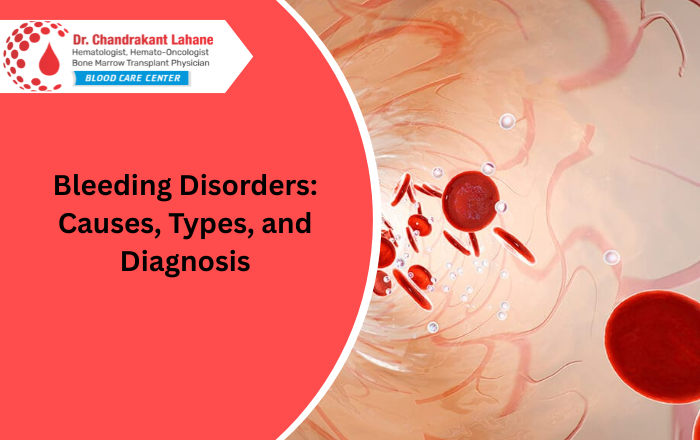
Bleeding disorders are medical conditions that affect the body’s ability to form blood clots effectively. Blood clotting (also called coagulation) involves a complex interaction between platelets and clotting proteins known as clotting factors. If any part of this process is defective or missing, abnormal bleeding can occur.
People with bleeding disorders may experience:
-
Frequent nosebleeds
-
Easy bruising
-
Heavy menstrual bleeding
-
Prolonged bleeding after surgery or dental work
-
Excessive bleeding from minor cuts
In severe cases, bleeding may occur internally, especially in joints and muscles, which can be life-threatening if untreated.
How Normal Blood Clotting Works
To understand bleeding disorders, it helps to know how clotting works. When a blood vessel is injured:
-
The blood vessel constricts to reduce blood flow.
-
Platelets stick together at the injury site to form a temporary plug.
-
Clotting factors in the blood activate in a chain reaction.
-
A stable clot forms to stop bleeding.
If there is a deficiency or dysfunction in platelets or clotting factors, the clot may not form properly, leading to excessive bleeding.
Causes of Bleeding Disorders
Bleeding disorders can be broadly classified into two categories: inherited and acquired.
1. Inherited Causes
Inherited bleeding disorders are passed down genetically from parents to children. These conditions are usually present from birth.
Some common inherited causes include:
-
Deficiency of clotting factors
-
Platelet function disorders
-
Genetic mutations affecting blood proteins
One well-known inherited bleeding disorder is Hemophilia, which results from a deficiency of specific clotting factors.
2. Acquired Causes
Acquired bleeding disorders develop later in life due to medical conditions, medications, or lifestyle factors. These may include:
-
Liver disease (which affects clotting factor production)
-
Vitamin K deficiency
-
Certain cancers
-
Autoimmune disorders
-
Blood-thinning medications like anticoagulants
Acquired disorders may resolve if the underlying cause is treated.
Types of Bleeding Disorders
There are several types of bleeding disorders, each with different causes and severity levels.
1. Hemophilia
Hemophilia is a rare genetic disorder where the blood lacks specific clotting factors. There are two main types:
-
Hemophilia A – Caused by a deficiency of clotting factor VIII
-
Hemophilia B – Caused by a deficiency of clotting factor IX
This condition mainly affects males and can range from mild to severe. People with severe hemophilia may experience spontaneous bleeding into joints and muscles.
2. Von Willebrand Disease
Von Willebrand Disease is the most common inherited bleeding disorder. It occurs due to a deficiency or dysfunction of the von Willebrand factor, a protein that helps platelets stick together.
Symptoms are often mild but can include frequent nosebleeds, easy bruising, and heavy periods in women.
3. Platelet Disorders
Platelet disorders occur when there are too few platelets or when platelets do not function properly. These may be inherited or acquired.
Low platelet count (thrombocytopenia) can lead to:
-
Small red or purple spots on the skin (petechiae)
-
Prolonged bleeding
-
Excessive bruising
4. Rare Clotting Factor Deficiencies
Some people may have deficiencies in other clotting factors, such as factor VII or factor XI. These are rare but can cause abnormal bleeding, especially after surgery or trauma.
Common Symptoms of Bleeding Disorders
Symptoms can vary depending on the type and severity of the disorder. However, common warning signs include:
-
Frequent or unexplained bruising
-
Prolonged bleeding from minor wounds
-
Bleeding gums
-
Heavy or prolonged menstrual cycles
-
Blood in urine or stool
-
Joint pain and swelling (in severe cases)
If these symptoms occur repeatedly or without a clear reason, medical evaluation is important.
How Bleeding Disorders Are Diagnosed
Early diagnosis plays a crucial role in preventing complications. Doctors use a combination of medical history, physical examination, and laboratory tests.
1. Medical History
Your doctor will ask about:
-
Family history of bleeding problems
-
History of prolonged bleeding after surgery or injury
-
Frequency of nosebleeds or heavy periods
Family history is particularly important for inherited conditions.
2. Physical Examination
The doctor checks for visible signs such as bruises, joint swelling, or skin changes.
3. Blood Tests
Several laboratory tests help diagnose bleeding disorders:
-
Complete Blood Count (CBC) – Measures platelet levels
-
Prothrombin Time (PT) – Evaluates clotting ability
-
Activated Partial Thromboplastin Time (aPTT) – Checks clotting factor function
-
Specific clotting factor assays – Identify deficiencies
If initial tests suggest an inherited condition, specialized testing may be required.
Why Early Diagnosis Matters
Untreated bleeding disorders can lead to serious complications such as chronic joint damage, severe blood loss, and life-threatening internal bleeding. Early detection allows for proper treatment, which may include:
-
Clotting factor replacement therapy
-
Medications to improve clotting
-
Lifestyle modifications to prevent injury
With modern treatment options, most individuals with bleeding disorders can lead active and healthy lives.
When to See a Doctor
You should consult a healthcare professional if you notice:
-
Bleeding that does not stop within a reasonable time
-
Frequent unexplained bruises
-
Heavy menstrual bleeding interfering with daily life
-
A family history of bleeding disorders
Prompt medical attention ensures accurate diagnosis and effective management.